
Thinking in Systems: How Great Leaders Step Back to See the Whole
Mar 24, 2026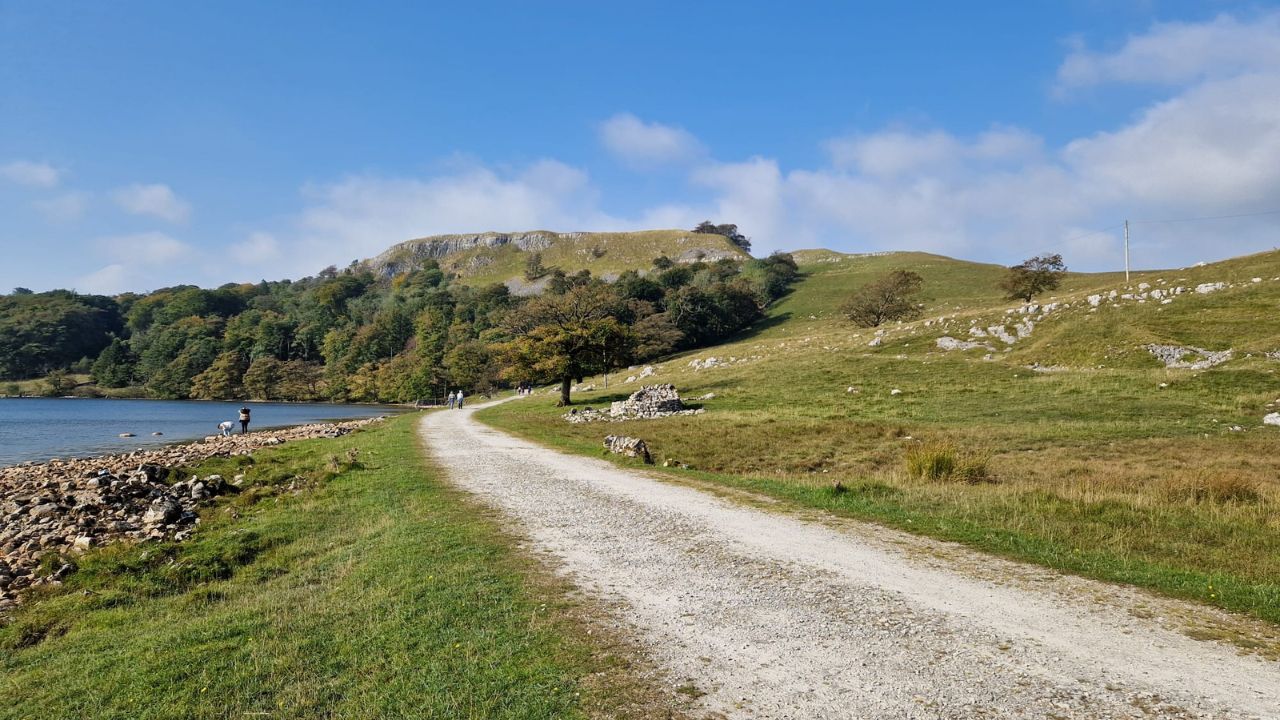
Leadership today happens inside complexity. Markets shift, technologies collide, and decisions ripple across invisible networks. Yet the instinct remains linear – cause, effect, response. The problem? The world no longer behaves that way.
Modern challenges aren’t puzzles to solve; they’re systems to understand. And systems thinking begins not with control, but with perspective.
At High Trenhouse, we see the difference when leadership teams step away from the noise of day-to-day operations and into a space that helps them see connections. Distance doesn’t just bring perspective – it brings pattern recognition.
The Limits of Linear Leadership
Most organisations are wired for efficiency – short loops, fast fixes, clear metrics. But linear logic struggles with systemic problems: culture, innovation, sustainability, reputation. These dynamics don’t move in straight lines; they move in circles.
When leaders chase symptoms instead of causes, progress feels constant but shallow. Meetings multiply, initiatives overlap, and the real drivers of behaviour remain hidden beneath the surface.
Systemic thinking slows that cycle – revealing interdependencies instead of silos, root causes instead of quick wins. It’s not slower leadership; it’s smarter navigation.
Seeing What the System Sees
The first principle of systems leadership is humility: no one can see the whole system from within it. That’s why the best strategy work happens offsite – in environments that quieten reaction and widen awareness. In these moments, leaders stop asking what should we do? and start asking how does this system behave?
At High Trenhouse, surrounded by the Dales, teams find space to step back – literally and cognitively. Natural landscapes make patterns visible: growth, renewal, interconnection. Leaders begin to sense how their organisation breathes and where its energy leaks away.
Conversations That Map Complexity
Systemic insight doesn’t emerge from data – it emerges from dialogue. In a well-designed retreat, conversation becomes cartography. Leaders map tensions, trace feedback loops, and see how decisions in one corner of the organisation reshape another. A leadership offsite becomes a place where complexity can finally be held – not simplified, but understood. The process isn’t about producing answers; it’s about seeing differently.
From Control to Coherence
Systems thinking reframes the leader’s role. The goal is not control, but coherence – aligning actions with the deeper purpose that holds everything together. This shift changes how leadership feels: from pressure to presence, from command to coordination.
High Trenhouse supports this evolution, our environment lets teams operate as an integrated system – listening, reflecting, adapting. The venue becomes a mirror for how healthy systems behave: responsive, balanced, and alive.
The Strategic Advantage of Systems Awareness
When leaders think systemically, strategies become more resilient because they’re designed with interdependence in mind. Decisions consider second- and third-order effects. Teams act from shared understanding rather than departmental instinct.
In times of volatility, that awareness becomes competitive advantage. It’s not the ability to predict the future – it’s the capacity to stay coherent within it.
If your leadership team is ready to move beyond firefighting towards foresight, you need an environment that helps you see the system, not just the surface.
Contact us and explore how High Trenhouse's Yorkshire Dales setting can transform your next leadership retreat
Stay connected with news and updates!
Join our mailing list to receive the latest news and updates from our team.
Don't worry, your information will not be shared.
We hate SPAM. We will never sell your information, for any reason.